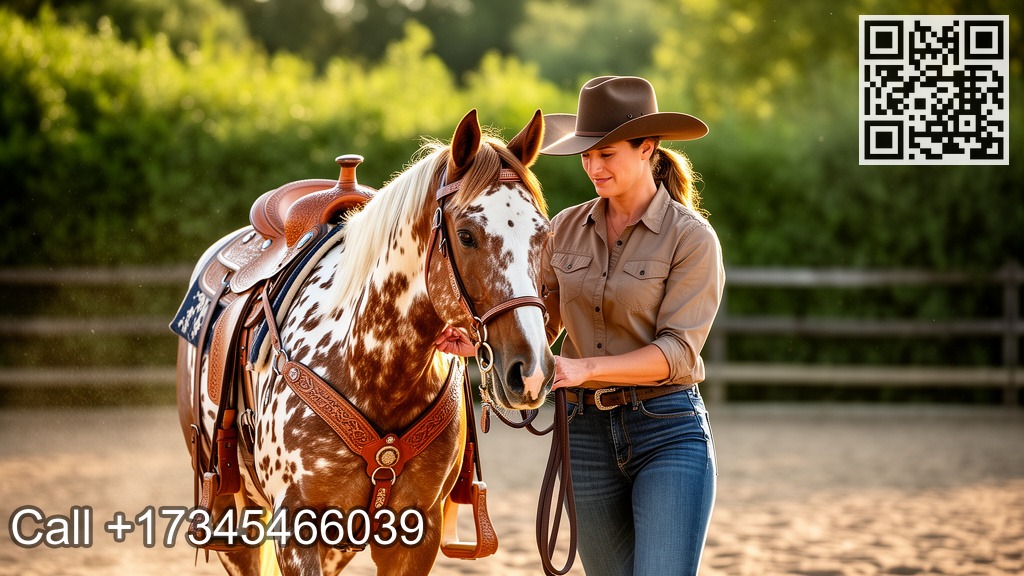
Walk right into a quiet barn on a weekday early morning and you will feel it prior to you see it. The air hums with hay-dust sunshine. A mare flicks an ear toward the door, takes you in, after that goes back to her hay with the slow certainty of a creature that reviews bodies for a living. This is where many individuals initial discover their breath once more. Not because someone informed them to breathe in for a count of 4, but due to the fact that a thousand-pound nerve system is standing three feet away, welcoming steadier pacing without a single word. That is the ground floor of mind-body combination in healing horsemanship.
What therapeutic horsemanship in fact means
The phrase is a large camping tent. Programs that rest under it include equine-assisted solutions that focus on health and wellness end results, equine-assisted tasks that stress understanding and leisure, and equine-assisted training for individual and expert advancement. Some facilities specialize in equine-facilitated wellness, which mixes way of living and stress-management skills with horsemanship. Others run an autism equine discovering program with certain interaction goals or ADHD equine learning assistance that targets attention, timing, and impulse control. There are also offerings for stress and anxiety support with steeds, and alternate treatment for sensory difficulties that might entail both mounted and unmounted experiences.
Not every program is psychotherapy. Some are designed by teachers, physical therapists, or course Intl. Licensed instructors. Equine-facilitated coaching services leadership, feedback, and existence for individuals and groups, frequently identified as team building with horses. If your objectives include injury processing or clinical mental health and wellness, look for a program with a licensed clinician who integrates equine-assisted services right into treatment. If your goals are learning-based, look for teachers with adaptive teaching credentials and a clear extent of practice.
Why steeds aid the body and the mind sync up
Horses are target animals, wired for fine-grained social attunement. They frequently ask, Am I risk-free, and with whom. That question goes through their bodies as high as their minds. Your posture, muscle mass tone, and micro-movements talk more loudly to a horse than your words. The result is a mirror that tracks your nerves in actual time. When people discuss somatic recovery with equines, they are pointing to this live biofeedback loop.
Three devices appear over and over:
- Rhythm and vestibular input. When mounted, an equine's strolling stride moves a biker's hips in a pattern comparable to human walking, around 90 to 110 steps per min. Occupational therapists utilize that rhythm to organize the vestibular system and assistance core security. Also unmounted, leading an equine at a stable speed entrains breath and stride. Pressure and launch. Steeds pick up from the feeling of pressure and the alleviation that follows. People do also. Apply a light ask via a lead rope, feel the horse yield, then soften. That timing maps straight to limits, approval, and social timing. Several customers bring the experience into their everyday communication. Co-regulation. Individuals report calmer breathing and lower perceived tension after communications with a settled steed. Some little research studies recommend heart rate variability changes throughout horse-human communication, though results vary. What I observe session by session corresponds: customers start to discover interior signals, after that react to them with ability instead of habit.
Mind-body assimilation takes hold when these items collaborate. You discover your limited shoulders while brushing a gelding's withers. You attempt a slower stroke. He reduces his head, breathes out, and you feel your own exhale grow. That loophole of stimulation, awareness, and option is the point.
A regular session, without the fluff
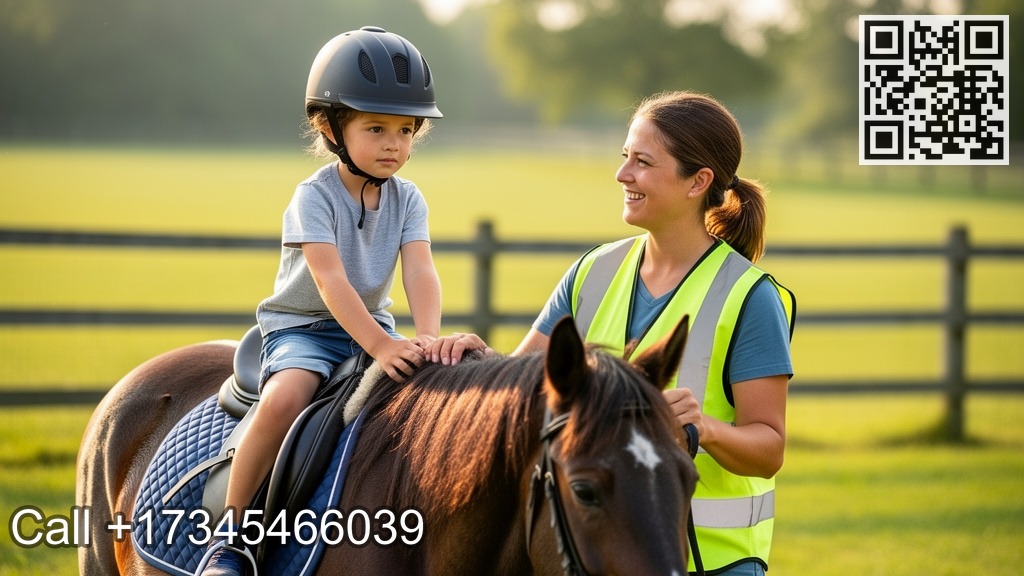
Most sessions run 45 to 60 mins. We begin with arrival and alignment, providing time for the transition from traffic and displays to straw and hoofbeats. Safety and security checks comply with: safety helmets for mounted work, closed-toe footwear, clinical alerts noted, and a quick read of exactly how the steed and human are showing up that day.
Grooming is not busywork. It is sensory input, reciprocal activity, and relational comments. The brush hand circles, the freedom steadies, and the body relocates a cross-midline pattern that sustains sychronisation. Individuals who have a tendency to rush usually slow here if the horse supports. People that have a tendency to be reluctant commonly discover a clear rhythm when the horse leans into a curry comb with evident pleasure.
Groundwork is where several equine-assisted activities radiate. Leading from various positions, navigating cones and posts, or exercising stop and go with only a breath and a shift of weight welcomes awareness without stress to do. For some customers, installed job complies with. For others, remaining on the ground is the safest and most efficient course. I have coached execs via equine-assisted mentoring sessions that never ever left the sector fence, and they won sharper, kinder leadership.
You can leave sensation taller, clearer, and sometimes worn out. That exhaustion is normally the body incorporating brand-new patterns.
What to use and bring for convenience and safety
- Close-toed shoes with a flat sole and small heel if riding Long pants that allow movement and avoid chafing Layers for transforming weather, plus sunlight protection Water and any individual medical items such as inhalers or EpiPens A spirit of curiosity and a desire to stop when you or the steed requirement it
Real people, genuine shifts
A young adult with ADHD came for six sessions. In the very first, he tugged the lead rope as if it were a video game controller. The horse hesitated, turned https://gregorybipd427.bearsfanteamshop.com/based-by-hooves-somatic-healing-with-steeds-on-the-farm his head, and stopped. We practiced waiting until the line slowed, then requesting for one action. By session three, the teen might walk serpentine patterns with light get in touch with, and his mom noticed fewer blowups during research. The difference was not magic. It was experiment timing and frustration tolerance, awarded by a thousand extra pounds of immediate, honest feedback.
A grown-up client with stress and anxiety started in an equine-facilitated health care after anxiety attack at the office. Placed job caused dizziness, so we remained on the ground. She found out to count three breaths before each ask, to soften her knees when the horse pushed right into her room, and to finish with three mins of silent at the fence. After two months of regular sessions, she reported capturing early indications of spiraling at her workdesk and utilizing the exact same breath-and-soften regimen, lowering the regularity of attacks.
A nine-year-old on the autism range entered an autism equine finding out program focused on sensory inflection and communication. He did not like noise and unexpected touch. We established a foreseeable brushing sequence, utilized a weighted brush he chose, and introduced a basic yes card and no card for choices. Over twelve weeks, he advanced from hugging eviction to grooming both sides of a person mare and leading her over a solitary ground post. His educators later included a comparable yes-no system during changes at school.
These are not remedies. They are shifts. Relocating from sensitivity to action, from interference to really felt feeling, is the type of adjustment that sticks because the body recognizes it.
The mentoring and team side: horses as colleagues
Equine-assisted mentoring is not about horsemanship mastery. It has to do with exactly how your objective, existence, and timing affect influence and trust. I once worked with a supervisor who said, My team drags their feet unless I tower above them. In the arena, he attempted to send an equine through a slim chute by strolling behind with big motions. The horse pinned his ears and drifted off. We altered one variable: the manager strolled beside the equine's shoulder, eyes soft, breath slower, with a clear factor precede as a common target. The horse streamed via on the first try. The manager later on defined making use of the exact same method with a quiet staff member by setting a shared outcome and checking his own rate. Productivity rose, therefore did the team member's confidence.
Team building with steeds stays clear of trust fund falls and glides into real sychronisation. Groups find out to plan, assign duties, and adjust when the horse, a really honest teammate, gives them unfiltered comments. I like short series with debriefs in between. Individuals uncover that over-communicating can crowd the horse, under-communicating leaves him presuming, and consistent communication appears like a body and a voice saying the very same thing.
Safety, values, and good judgment
Horses are not tools. They are sentient partners with requirements and limitations. Moral equine-facilitated programs secure the physical and emotional well-being of their equines as a standard. That includes yield with suitable herd-mates, appropriate forage, saddle fit checks, dynamic conditioning, and day of rest. In session, equines can opt out, change jobs, or take breaks. Customers learn permission by practicing it with an animal that is not obliged to comply.
For people, safety helmets for installed work are conventional. Closed-toe footwear, clear emergency treatments, and educated consent are non-negotiables. There are contraindications: current trauma, fragile bones, unrestrained seizures, or energetic psychosis. Allergic reactions, worry of pets, and weather condition level of sensitivity issue and can be fit with modifications. Excellent programs refer out when something exceeds their extent and collaborate with specialists, medical professionals, and colleges when appropriate.
A word on weight limits: accountable facilities publish tack and horse-specific limits, usually in the 15 to 20 percent of the equine's bodyweight array when thinking about cyclist and tack combined. This is not about judgment. It has to do with biomechanics and welfare.
How outcomes show up and just how we gauge them
In scientific setups, you may see validated measures for anxiousness symptoms, equilibrium, or focus. In education-focused equine-assisted activities, we track skills: number of self-initiated breath resets during a job, time on job while brushing, variety of successful transitions in between stop and walk without pulling the lead. For equine-assisted coaching, outcomes consist of quality of requests, shortened conference times after sessions, or minimized dispute in a specific project.
Subjective shifts matter also. Moms and dads say, He rests better after sessions. Educators keep in mind, She elevates her hand extra. Clients report feeling their feet on the ground. I request for both type of information. Numbers anchor the story so we know if we are in fact helping.
Trade-offs, limitations, and useful hurdles
Weather can thwart sessions. Rainfall, warm, and icy ground are not small troubles. Programs require indoor spaces or flexible schedules. Price is genuine. Prices vary commonly by region, staffing, and center expenses. Some centers supply scholarships, gliding scales, or team sessions to keep gain access to sensible. A common pattern is regular sessions for six to twelve weeks, then a review for goals and budget.
Horses are not a fit for everyone. Some people remain also fearful to benefit. Others discover their knowing edge somewhere else. For injury survivors, equine-assisted solutions can be effective, however they can also trigger solid reactions. That is where a qualified psychological wellness professional and mindful pacing make the distinction between development and overwhelm.
Quality varies. Qualifications such as PATH Intl., Eagala, and CHA signal standards, however they do not change experience and fit. Visit. Enjoy. Depend on your gut.
Choosing a program: wise concerns to ask
- What are your personnel credentials, and that leads my sessions How do you analyze objectives and track progress What equines will I deal with, and just how do you guarantee their welfare What are your safety and security protocols and contraindications How do you team up with my specialist, doctor, or institution if needed
For parents and instructors: turning the sector into a classroom
ADHD equine learning support jobs when sessions target executive feature with movement. Establish a short training course with clear waypoints. Ask the learner to predict the path out loud, after that run it with the horse at a walk, after that review what worked. Use the steed's preference as comments. If the horse wanders, talk about whether the ask was vague or the environment sidetracking. Timers aid. So do concrete goals like total the figure-eight with soft hands twice.
For students with sensory obstacles, begin with predictable regimens. Some respond much better to the steady stress of grooming a big muscle team such as the shoulder than to light, ticklish strokes. Develop a visual routine on a clipboard that travels from brushing area to sector to cool-down area. An alternate therapy for sensory obstacles does not imply disorganized time. It implies tailoring the structure to the person's nerve system and the horse's comfort.
For autism-focused programs, interaction systems matter. A horse does not care whether a sign originates from speech, a gesture, or a card, as long as it is consistent and paired with clear timing. I have seen a nonverbal pupil lead a Shetland pony via a puzzle with peaceful precision utilizing picture-based motivates, after that transfer that success right into a classroom transition chart.
Teachers appreciate straightforward carryover concepts. After a session that highlighted halt-walk transitions with a breath cue, try the same breath hint at a workdesk before switching over tasks. Collect 3 information points per week to check transfer.
For adults and leaders: a health club for presence
The arena is unforgiving regarding faking it and charitable regarding obtaining actual. If you are navigating burnout, equine-facilitated wellness can give your body a reference factor for rest and initiative. Ask an equine to back 3 steps with a soft upper body, then stop totally and feel your feet. Repeat. You will find out where you repeatedly push past limitations and where you under-ask.
For leaders, experiential discovering with horses exposes combined messages. If your words state go and your shoulders state perhaps, the steed will choose the clearer message. Practicing congruence below converts to conferences, arrangements, and mentoring. It is not an allegory when your breath reduces a skittish gelding and your group later mirrors your steadier tempo when a project hiccups.
The horse's viewpoint: partners, not props
A well-run program centers the horse's welfare. That does not simply imply excellent hay and clean water. It means social time with other steeds, species-appropriate activity, veterinary and dental care, correctly fitted tack, and job balanced with remainder. In session, it means enabling the equine to move away from touch that is too intense, to stop when overwhelmed, and to reveal inquisitiveness and play. You will discover to review pinned ears, tight lips, or a swishing tail as information, not misbehavior.
I when had a mare that constantly lifted her head when a new person groomed near her girth. We adapted to a softer brush, shortened the strokes, and stopped briefly after 3 passes. She licked and ate, then dropped her head. The client found out that permission is a relocating target and that skillful touch makes trust fund. The steed remained sound and willing because we listened.
Getting began and setting expectations
Most individuals start with an intake conversation and a single analysis session. Share case history, medications, objectives, and any type of worries. Expect clear boundaries, no-nonsense safety protocols, and a pace that matches your discovering. Ask about frequency. Weekly sessions build energy. Biweekly can collaborate with home technique. Month-to-month has a tendency to be extra maintenance than growth.
Costs differ. In numerous areas, sessions run from the expense of a private riding lesson to rates similar to psychotherapy, relying on team qualifications and insurance coverage. Team sessions lower the expense and can include social discovering, but they likewise increase sensory tons. Weigh the compromises.
Progress is not direct. Some days you will certainly really feel skilled. Some days the wind rattles the sector roofing system and every person, human and steed, is a little bit a lot more sharp. That irregularity becomes part of the training. Discovering to readjust your interior state without surrendering your goal is a sophisticated skill.
Bringing the arena home
The body finds out by doing. After sessions, I provide easy bridges:
- Match your breath to your footprints for two minutes on a daily walk, the way you matched your stride to a steed on the lead. Practice pressure and launch with a door. Apply constant stress to the handle, really feel the lock provide, after that soften your hand. Notice just how much initiative was actually required. Usage that degree of quality in a hard conversation. Set a three-breath time out before any kind of digital reply that carries heat. You discovered to await an equine's ear to flick prior to asking once again. Offer the very same space to a colleague. Keep a small card in your pocket with one felt-cue you like from the barn, such as soft knees or long exhale. Utilize it throughout commutes and before meetings.
Small routines maintain the nervous system anchored to the lessons your body already understands.
Final ideas from the facility of the ring
Therapeutic horsemanship is not an uniqueness. It is a disciplined craft constructed at the junction of animal behavior, human knowing, and compassionate visibility. Whether you are discovering equine-assisted activities for a youngster, equine-assisted coaching for your leadership, or equine-facilitated wellness after a rough season, the sector offers a clear mirror. You show up as you are. A steed shows up as he is. Together you exercise timing, boundaries, breath, and trust.
If you choose meticulously, respect the horse, and commit to the work, you will likely locate what a lot of of us have discovered between hoofbeats and hay: your body recognizes the way to steadiness, and your mind can discover to follow.